Resources
/
Blog
/
AI and Data

Business analytics in manufacturing industry to power smarter decisions

Business analytics in manufacturing industry to power smarter decisions

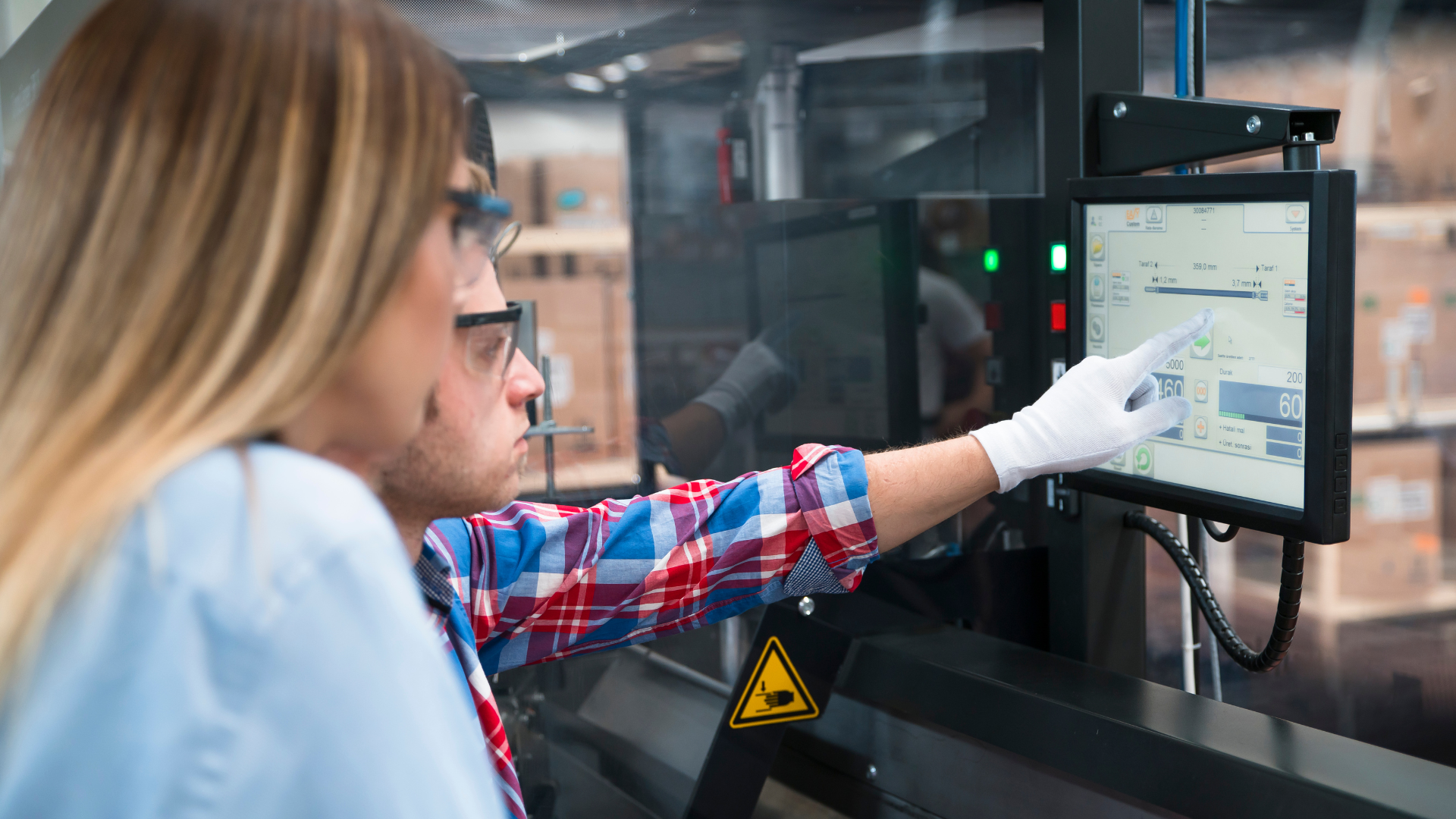
Business analytics in manufacturing involves collecting, analyzing, and interpreting data from operations, equipment, and markets to make informed decisions.

Manpreet Kour
March 5, 2026
Share this Article:
Table of content

The manufacturing industry is experiencing a fundamental shift driven by data. According to Precedence Research, the global advanced analytics market is projected to grow from 49.81 billion USD in 2023 to 338.71 billion USD by 2033 at a CAGR of 21.13 percent. This growth reflects the increasing recognition among manufacturers that data-driven decisions improve operational efficiency, reduce costs, and enhance competitiveness.

Manufacturers face persistent challenges such as unplanned downtime, supply chain disruptions, and fluctuating demand. McKinsey reports that data-driven manufacturers can achieve up to 20 percent improvement in production efficiency and a 15 percent reduction in operational costs. Business analytics helps address these challenges by leveraging real-time operational data, predictive insights, and advanced reporting tools. Organizations that adopt analytics can make smarter, faster decisions and gain a strategic advantage.

What is business analytics in manufacturing

Business analytics in manufacturing involves collecting, analyzing, and interpreting data from operations, equipment, and markets to make informed decisions. This section provides a clear understanding of the concept and its relevance to modern manufacturing.

Manufacturers increasingly use IoT-enabled sensors, cloud-based platforms, and predictive models to monitor production in real time. Analytics enables organizations to identify inefficiencies, detect potential machine failures, optimize inventory levels, and enhance quality control. Advanced platforms allow integration of multiple data sources, enabling a unified view of production performance and supply chain operations. To explore practical solutions for manufacturing analytics, see business analytics software.

Key benefits of business analytics in manufacturing

Business analytics provides measurable benefits that impact cost, efficiency, sales, and customer satisfaction. Each benefit translates into tangible business outcomes for executives and decision-makers.

Cost optimization

Analytics helps manufacturers identify and eliminate waste in materials, energy, and labor. Real-time insights allow production teams to allocate resources more efficiently, reducing overall operational costs. According to Deloitte, predictive maintenance alone can reduce machine downtime and repair costs by 12 to 18 percent. Analytics also supports optimized scheduling, ensuring that labor and machinery are deployed in the most efficient manner.

Manufacturers looking to maximize operational efficiency can explore data analytics services to implement robust cost-saving measures.

Increased sales and market responsiveness

Business analytics provides a 360-degree view of market demand, customer behavior, and product performance. By analyzing this data, manufacturers can:

  • Tailor products to meet evolving customer needs
  • Design targeted marketing campaigns
  • Implement dynamic pricing strategies for better market positioning

Nielsen reports that organizations leveraging analytics can improve revenue growth by up to 8 percent annually. Analytics also enables rapid response to market trends, giving manufacturers a competitive edge. For real-world applications, see AI use cases in manufacturing.

Enhanced operational efficiency

Operational efficiency is a key priority for manufacturers. Analytics improves efficiency by identifying bottlenecks, streamlining workflows, and automating repetitive tasks. Real-time visibility into production lines allows managers to make adjustments proactively, improving throughput and reducing delays.

Quality control and customer satisfaction

Manufacturers can achieve higher product quality through analytics by monitoring production processes in real time, detecting defect patterns, and implementing corrective actions quickly. Predictive analytics reduces defect rates by up to 20 percent and minimizes warranty claims, ultimately improving customer satisfaction.

Analytics-driven quality improvements support manufacturers in meeting regulatory standards and maintaining brand reputation. Learn more about predictive analytics in manufacturing for actionable insights.

Supply chain optimization

A data-driven approach to supply chain management allows manufacturers to forecast demand accurately, track suppliers in real time, and mitigate risks from disruptions. Analytics also supports inventory optimization, ensuring that materials are available when needed without excessive stock accumulation.

Big data solutions provide visibility across global supply chains, helping manufacturers respond quickly to changes in demand or logistics challenges. Explore big data in manufacturing to understand how analytics strengthens supply chain resilience.

Implementation strategies for business analytics

Implementing analytics successfully requires a structured, step-by-step approach. This section explains how manufacturers can integrate analytics into their operations effectively.

Data collection and integration
Manufacturers must first gather data from machines, operations, and customer interactions. Centralized platforms allow for seamless aggregation and analysis. Cloud solutions provide scalability and secure data storage.

Descriptive analytics
Analyzing historical data helps organizations understand performance trends, identify recurring problems, and evaluate KPIs.

Predictive analytics
Using AI and machine learning, predictive analytics forecasts equipment failures, market demand, and resource requirements. This allows proactive decisions rather than reactive ones.

Prescriptive analytics
Prescriptive analytics recommends actions based on predictive insights. Manufacturers can optimize production schedules, inventory levels, and maintenance planning to achieve maximum efficiency.

Real-time monitoring
Continuous tracking of KPIs, production efficiency, and quality metrics allows immediate corrective action. This ensures consistent performance and rapid response to unexpected events.

Decision-makers can explore AI and predictive analytics solutions to accelerate implementation and realize measurable ROI.

Industry trends shaping business analytics in manufacturing

Manufacturing analytics is evolving rapidly. Understanding emerging trends is crucial for decision-makers who aim to maintain a competitive edge.

Cloud-based analytics platforms
Cloud solutions enable scalable data processing and integration across multiple sites, supporting large-scale analytics initiatives.

Low-code and no-code ML platforms
These platforms allow organizations to deploy analytics solutions quickly without heavy IT involvement, accelerating time to value.

IoT and edge computing
IoT devices and edge analytics provide real-time data from production equipment, enabling immediate operational adjustments.

Advanced predictive models
Artificial intelligence models anticipate equipment failures, optimize supply chains, and forecast demand, allowing proactive decision-making.

By embracing these trends, manufacturers can improve agility, efficiency, and market responsiveness.

Conclusion

Business analytics is essential for modern manufacturing. By integrating analytics into operations, manufacturers can achieve lower operational costs, higher production efficiency, better product quality, and improved market responsiveness.

AI-driven analytics solutions provide scalable, no-code tools for transforming data into actionable insights. Decision-makers who embrace analytics gain a competitive advantage, improve operational resilience, and enhance customer satisfaction, positioning their organizations for long-term success in a rapidly evolving industry.

Let's build what's next
Get in touch
Blog
/
AI and Data

Business analytics in manufacturing industry to power smarter decisions

Business analytics in manufacturing industry to power smarter decisions

Business analytics in manufacturing involves collecting, analyzing, and interpreting data from operations, equipment, and markets to make informed decisions.

Manpreet Kour
March 5, 2026

The manufacturing industry is experiencing a fundamental shift driven by data. According to Precedence Research, the global advanced analytics market is projected to grow from 49.81 billion USD in 2023 to 338.71 billion USD by 2033 at a CAGR of 21.13 percent. This growth reflects the increasing recognition among manufacturers that data-driven decisions improve operational efficiency, reduce costs, and enhance competitiveness.

Manufacturers face persistent challenges such as unplanned downtime, supply chain disruptions, and fluctuating demand. McKinsey reports that data-driven manufacturers can achieve up to 20 percent improvement in production efficiency and a 15 percent reduction in operational costs. Business analytics helps address these challenges by leveraging real-time operational data, predictive insights, and advanced reporting tools. Organizations that adopt analytics can make smarter, faster decisions and gain a strategic advantage.

What is business analytics in manufacturing

Business analytics in manufacturing involves collecting, analyzing, and interpreting data from operations, equipment, and markets to make informed decisions. This section provides a clear understanding of the concept and its relevance to modern manufacturing.

Manufacturers increasingly use IoT-enabled sensors, cloud-based platforms, and predictive models to monitor production in real time. Analytics enables organizations to identify inefficiencies, detect potential machine failures, optimize inventory levels, and enhance quality control. Advanced platforms allow integration of multiple data sources, enabling a unified view of production performance and supply chain operations. To explore practical solutions for manufacturing analytics, see business analytics software.

Key benefits of business analytics in manufacturing

Business analytics provides measurable benefits that impact cost, efficiency, sales, and customer satisfaction. Each benefit translates into tangible business outcomes for executives and decision-makers.

Cost optimization

Analytics helps manufacturers identify and eliminate waste in materials, energy, and labor. Real-time insights allow production teams to allocate resources more efficiently, reducing overall operational costs. According to Deloitte, predictive maintenance alone can reduce machine downtime and repair costs by 12 to 18 percent. Analytics also supports optimized scheduling, ensuring that labor and machinery are deployed in the most efficient manner.

Manufacturers looking to maximize operational efficiency can explore data analytics services to implement robust cost-saving measures.

Increased sales and market responsiveness

Business analytics provides a 360-degree view of market demand, customer behavior, and product performance. By analyzing this data, manufacturers can:

  • Tailor products to meet evolving customer needs
  • Design targeted marketing campaigns
  • Implement dynamic pricing strategies for better market positioning

Nielsen reports that organizations leveraging analytics can improve revenue growth by up to 8 percent annually. Analytics also enables rapid response to market trends, giving manufacturers a competitive edge. For real-world applications, see AI use cases in manufacturing.

Enhanced operational efficiency

Operational efficiency is a key priority for manufacturers. Analytics improves efficiency by identifying bottlenecks, streamlining workflows, and automating repetitive tasks. Real-time visibility into production lines allows managers to make adjustments proactively, improving throughput and reducing delays.

Quality control and customer satisfaction

Manufacturers can achieve higher product quality through analytics by monitoring production processes in real time, detecting defect patterns, and implementing corrective actions quickly. Predictive analytics reduces defect rates by up to 20 percent and minimizes warranty claims, ultimately improving customer satisfaction.

Analytics-driven quality improvements support manufacturers in meeting regulatory standards and maintaining brand reputation. Learn more about predictive analytics in manufacturing for actionable insights.

Supply chain optimization

A data-driven approach to supply chain management allows manufacturers to forecast demand accurately, track suppliers in real time, and mitigate risks from disruptions. Analytics also supports inventory optimization, ensuring that materials are available when needed without excessive stock accumulation.

Big data solutions provide visibility across global supply chains, helping manufacturers respond quickly to changes in demand or logistics challenges. Explore big data in manufacturing to understand how analytics strengthens supply chain resilience.

Implementation strategies for business analytics

Implementing analytics successfully requires a structured, step-by-step approach. This section explains how manufacturers can integrate analytics into their operations effectively.

Data collection and integration
Manufacturers must first gather data from machines, operations, and customer interactions. Centralized platforms allow for seamless aggregation and analysis. Cloud solutions provide scalability and secure data storage.

Descriptive analytics
Analyzing historical data helps organizations understand performance trends, identify recurring problems, and evaluate KPIs.

Predictive analytics
Using AI and machine learning, predictive analytics forecasts equipment failures, market demand, and resource requirements. This allows proactive decisions rather than reactive ones.

Prescriptive analytics
Prescriptive analytics recommends actions based on predictive insights. Manufacturers can optimize production schedules, inventory levels, and maintenance planning to achieve maximum efficiency.

Real-time monitoring
Continuous tracking of KPIs, production efficiency, and quality metrics allows immediate corrective action. This ensures consistent performance and rapid response to unexpected events.

Decision-makers can explore AI and predictive analytics solutions to accelerate implementation and realize measurable ROI.

Industry trends shaping business analytics in manufacturing

Manufacturing analytics is evolving rapidly. Understanding emerging trends is crucial for decision-makers who aim to maintain a competitive edge.

Cloud-based analytics platforms
Cloud solutions enable scalable data processing and integration across multiple sites, supporting large-scale analytics initiatives.

Low-code and no-code ML platforms
These platforms allow organizations to deploy analytics solutions quickly without heavy IT involvement, accelerating time to value.

IoT and edge computing
IoT devices and edge analytics provide real-time data from production equipment, enabling immediate operational adjustments.

Advanced predictive models
Artificial intelligence models anticipate equipment failures, optimize supply chains, and forecast demand, allowing proactive decision-making.

By embracing these trends, manufacturers can improve agility, efficiency, and market responsiveness.

Conclusion

Business analytics is essential for modern manufacturing. By integrating analytics into operations, manufacturers can achieve lower operational costs, higher production efficiency, better product quality, and improved market responsiveness.

AI-driven analytics solutions provide scalable, no-code tools for transforming data into actionable insights. Decision-makers who embrace analytics gain a competitive advantage, improve operational resilience, and enhance customer satisfaction, positioning their organizations for long-term success in a rapidly evolving industry.

Share this Article: